
Latest Blog Posts
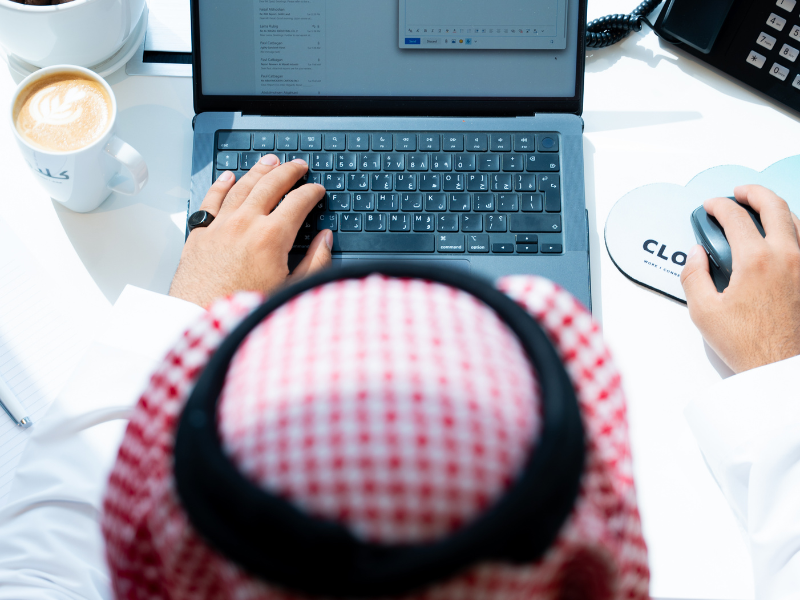
Two Riyadh Addresses, One Shared Office Membership
Riyadh now offers more than one credible way to place a growing business, and the decision has become less about a single address and more about how a company expects to move through the city over the next few years. Cloud Spaces operates a shared office space in Riyadh across two of those addresses, Kingdom Centre in Al Olaya's established business corridor, and Roshn Business Front, the development more commonly known as Roshn Front, in North Riyadh. Both sit inside the same membership, which means a founder can pick the location that suits today's stage of growth and add the other one later without starting the relationship over.
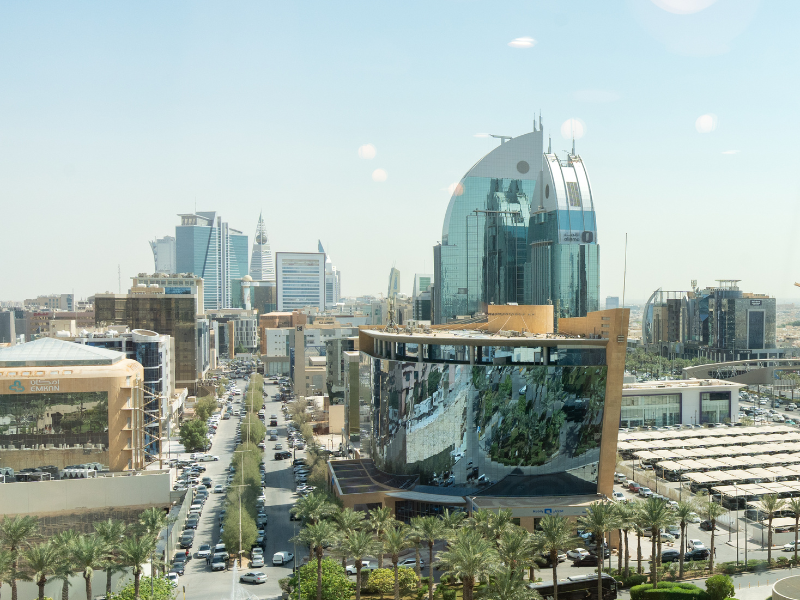
Coming to Riyadh for LEAP 2026? A Smarter Workspace Strategy for Visiting Teams
LEAP 2026 runs from 31 August to 3 September at the Riyadh Exhibition and Convention Centre, Malham, bringing together over 200,000 attendees, 1,900+ investors, and 1,800 global tech brands across four high-intensity days. For the visiting professionals, founding teams, and delegations flying in from across the world, the conference programme is only one dimension of what makes the week productive. The meetings that determine outcomes, pitch sessions, partnership discussions, investment conversations are built around the conference, and not just inside it. They require the right environment, reliably available, in the right part of the city. This guide covers what that workspace looks like and how to secure it before LEAP week demand peaks.
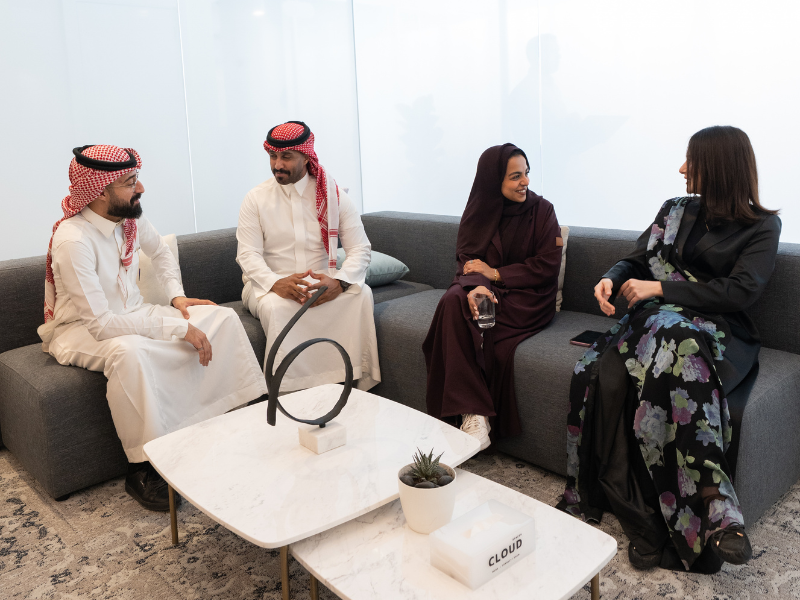
Riyadh coworking spaces: Why flexible working is the future?
Riyadh's business landscape has grown at a pace few regional capitals can match, and the standard of the city’s coworking spaces has advanced just as significantly too. What some may once have considered a temporary or budget-driven working arrangement is now central to how ambitious companies structure their operations, and increasing numbers of businesses, freelancers and entrepreneurs are embracing the many benefits of shared office spaces
So, as International Coworking Day approaches,we have decided to take a more detailed look at how coworking has become a deliberate part of Riyadh’s growth strategy.
Coworking spaces in Riyadh: A strategic choice for ambitious businesses <H2>
One of the original reasons that coworking spaces gained popularity was because they offered a more affordable option than renting a private office. However today, the benefits of coworking are now widely understood to go far beyond just financial savings. Indeed, private serviced offices inside coworking spaces are now also just as popular as traditional hot desks and lounges.
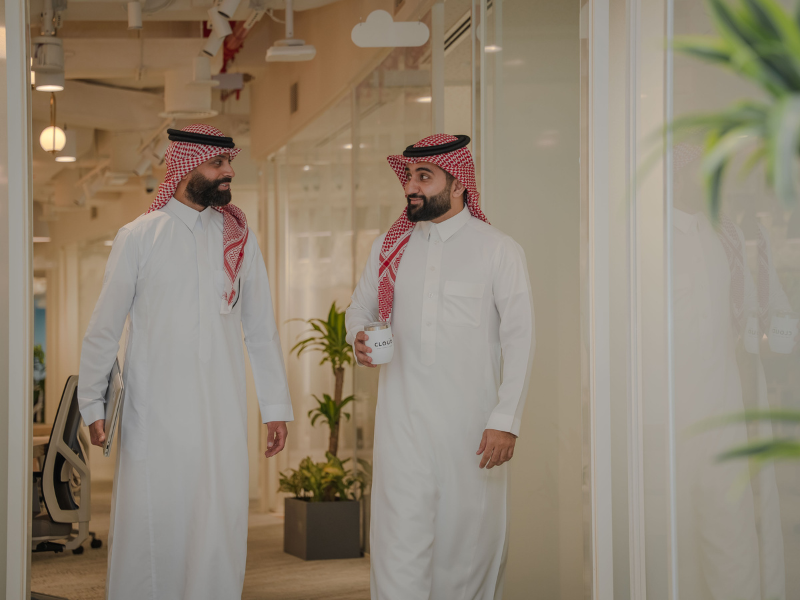
How the Cashless Economy is impacting SME Business Operations in Saudi Arabia
Saudi Arabia's shift away from cash under Vision 2030is not a future ambition. It is already happening at scale.Demonstrated through reports from the Saudi Central Bank and Financial Sector Development Program that show that 85% of retail transactions in the Kingdom in 2025 were paid electronically, which reflects how deeply digital payments have embedded themselves into everyday business life. For SMEs, this shift goes well beyond how customers pay at checkout. It is changing how businesses manage cash flow, track expenses, settle with suppliers, and report on performance. The companies adapting well are gaining real operational advantages. Those treating it as a compliance exercise are falling behind.
The Year of Artificial Intelligence: Inside Riyadh’s Growth Story
When the Government of Saudi Arabia announced 2026 as the Year of Artificial Intelligence, it shifted the Kingdom’s position on the global stage, and placed Riyadh at the centre of its future ambitions. Led by the Saudi Data & AI Authority (SDAIA), the initiative aims to encourage the adoption of AI across sectors, foster innovation, and build local capabilities. Assisted by SDAIA’s $9.1 billion investment, the Kingdom now ranks first globally in public sector AI adoption, with approximately two thirds of government workers using AI tools daily. These figures indicate that Riyadh is a city already in the middle of its transformation, and the Year of Artificial Intelligence, has already prompted compressed timelines across Saudi Arabia. Businesses that had initially mapped out three-year digital strategies are now working on twelve-month roadmaps, and regulatory frameworks for responsible AI are being formalised across both public and private sectors.
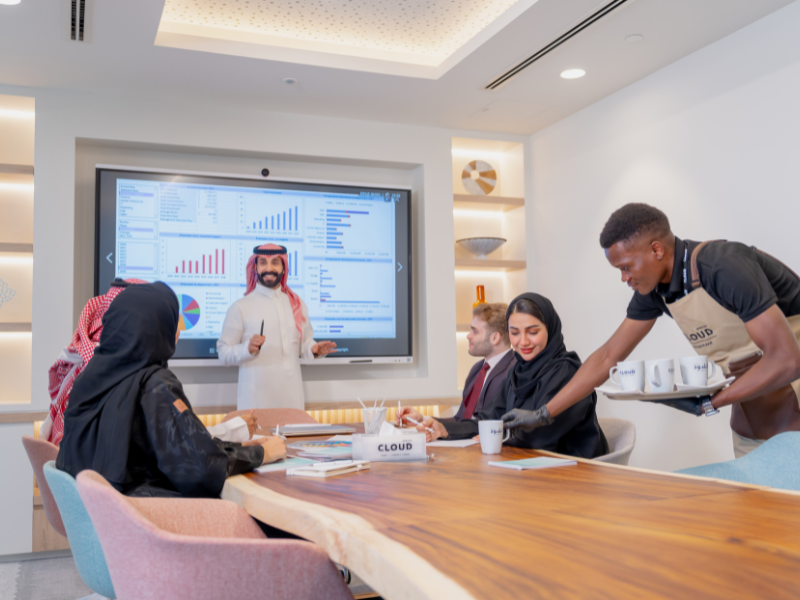
The types of professionals being drawn to Riyadh are shifting accordingly, too. Regional AI leads, product-first teams, and growth-stage companies from the knowledge sector are choosing the city as their operational base. For example, at Cloud Spaces, increasing numbers of high achieving professionals are choosing to work from the brand’s state-of-the-art coworking spaces and furnished offices in Kingdom Centre and Roshn Front.

.png)